

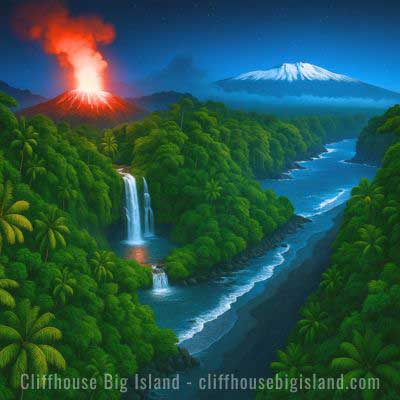
Big Island Hawaii should absolutely be your next trip destination. Located in the Hawaiian Islands, Hawaiʻi Island is the largest island in the chain. It offers amazing experiences you simply won’t find on the other Hawaiian islands.
From active volcanoes glowing at night to lush rainforests alive with waterfalls, Big Island puts nature on full display. You’ll see striking contrasts everywhere from black sand beaches to snow-topped mountains. Fresh lava flows continue shaping the coastline today.
The island’s history and culture are just as vibrant. Ancient temples, local festivals, and year-round cultural events give you a true sense of Hawaii. These experiences go far beyond typical postcard views.
Looking for outdoor adventures? Dreaming of fresh island cuisine? Or ready to relax by the ocean? Big Island makes every kind of Hawaiian Islands vacation an unforgettable experience.
Big Island Hawaii: What Makes It Different from Other Hawaiian Islands
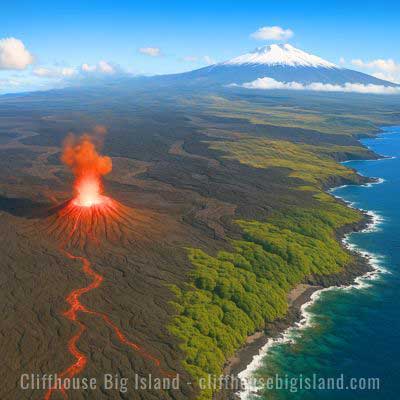
Big Island Hawaii stands out from other Hawaiian islands in several dramatic ways. It’s the youngest and largest of the Hawaiian Islands. With over 4,000 square miles, it’s bigger than all the other Hawaiian islands combined.
Here’s what makes it unique. Big Island is home to five volcanoes, including Mauna Kea, Mauna Loa, and Kilauea. Kilauea is one of the most active volcanoes in the world. You won’t find this level of volcanic activity on other islands.
The climate zones here are incredible. They range from tropical sunshine warmth to alpine brrr cold peaks. These temperatures vary greatly on your location. You might experience snow and sunshine in the same day!
Big Island’s terrain tells an amazing story. Gentle slopes lead to rugged coastlines dotted with lava flows. These vast lava flow areas create landscapes you simply can’t see anywhere else in Hawaii.
With this unique geography and climate, Big Island is perfect for outdoor enthusiasts and nature lovers. Whether you’re exploring active volcano sites or climbing the trails, the diversity here is unmatched.
Hawaii Volcanoes National Park and Big Island’s Protected Areas
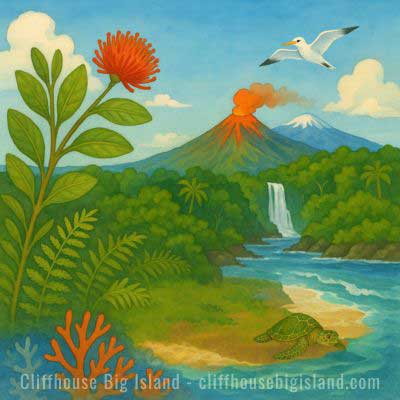
Hawaii Volcanoes National Park is one of Big Island’s most popular attractions. The park showcases stunning landscapes and unique geological features. Many come here to witness active volcano sites up close. So many people visit during peak season that advance planning helps ensure the best experience.
The park is home to Kilauea Volcano, which has been erupting continuously since 1983. The volcano brings an ever-changing landscape that fascinates scientists and tourists alike.
Other protected areas across Big Island offer different experiences. Mauna Kea Summit hosts some of the world’s most advanced telescopes. The Kohala Coast features beautiful beaches and dense tropical forests. These areas showcase the island’s incredible diversity.
Big Island is also home to several wildlife refuges and conservation areas. These protect the island’s unique and endangered species. From native birds to marine life, conservation efforts help preserve Hawaii’s natural heritage.
Visiting these national park areas and protected zones offers something special. You’ll experience the island’s natural beauty while learning about unique ecosystems. Each area tells a different story about how volcanic activity shaped this remarkable land.
Whether you’re exploring active volcano sites or peaceful coastal areas, these protected spaces highlight what makes Big Island special.
Kona Coast Adventures: From Kailua Pier to Crystal Clear Waters

Kona Coast adventures start at Kailua Pier and extend along crystal clear waters. The area is known for white sand beaches and vibrant marine life. This makes it a snorkeler’s and swimmer’s paradise.
Kailua Kona is a charming town on the west side of Big Island. The town offers rich history, cultural attractions, and diverse restaurants. You’ll find plenty of shops to explore between beach activities.
The west coast is home to many resorts and vacation rentals. These offer a range of accommodation options for every type of visitor. From luxury properties to budget-friendly stays, you’ll find what you need.
Adventures here range from snorkeling and swimming to sunbathing and relaxing. The calm waters make it perfect for beginners and experts alike. Many visitors spend their mornings in the water and afternoons exploring.
Historic sites dot this beautiful area, including the famous Hulihe’e Palace. These locations showcase Big Island’s rich history and Hawaiian culture.
Whether you’re staying at nearby resorts or just visiting for the day, this area delivers unforgettable experiences.
Kohala Coast: Big Island’s Best Beaches
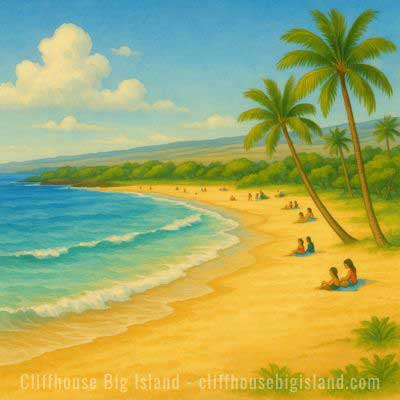
This scenic area on the northern coast of Big Island is known for stunning ocean views. The north offers some of the most pristine waters on the entire island. This rugged landscape and picturesque towns provide an unforgettable setting. Most visitors consider this area home to the island’s finest beaches.
Several beautiful beaches here include Hapuna Beach and Mauna Kea Beach. These are popular spots for swimming and snorkeling with crystal clear water. The calm conditions make them perfect for families and water sports enthusiasts.
This northern region is also great for exploring on foot. Many trails and scenic lookouts offer breathtaking views of the ocean. The surrounding landscape provides incredible photo opportunities at every turn.
From mountain peaks to coastal towns like Kapa’au and Hawi, this area offers incredible diversity. Anyone traveling to Big Island should plan time here. The variety of activities and natural beauty make it essential. This is also home to many historic sites. The Pu’ukohola Heiau National Historic Site showcases the island’s rich cultural heritage. You can easily combine beach time with cultural education.
Whether you’re staying at local resorts or just visiting for the day, this area delivers some of Hawaii’s most memorable experiences.
Active Eruption Sites and Volcanic Activity on Big Island
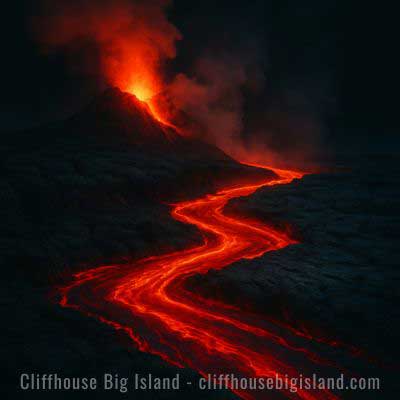
Active eruption sites showcase ongoing volcanic activity that makes Big Island truly special. The island is home to several active and dormant volcanoes. These include Kilauea, Mauna Loa, and Mauna Kea.
You can explore Hawaii Volcanoes National Park, which features stunning landscapes and unique geological formations. The park also contains fascinating lava tubes that were carved by ancient lava flows. These underground passages offer a glimpse into the island’s fiery past.
The island’s volcanic landscapes change constantly as new land gets created. Ongoing volcanic activity continues to shape the terrain in dramatic ways. What you see today might look different in just a few years.
From active lava flows to areas covered in volcanic ash, these landscapes are unique. Big Island’s volcanic features are unlike anything you’ll find on other Hawaiian islands. The raw power of nature is on full display here.
Guided tours help people explore these incredible volcanic landscapes safely. You’ll learn about the island’s geological history from expert guides. Many tours offer access to areas that would be dangerous to visit alone.
Whether you’re watching active eruption sites from a distance or exploring cooled lava fields, the experience is unforgettable.
Big Island Outdoor Adventures: From Sea Level to the Mountain Tops

Big Island outdoor adventures span from sea level to mountain tops in incredible ways. The island offers a wide range of outdoor activities. These include hiking, snorkeling, swimming, and surfing.
You can explore the island’s many trails that lead to breathtaking destinations. Popular options include various trails and coastal walks. Each trail offers different views and difficulty levels.
The island’s beautiful beaches are perfect for water-based activities. Hapuna Beach and other coastal areas offer ideal swimming and snorkeling conditions. You can spend entire days just enjoying the warm waters.
Big Island is also a popular spot for water sports enthusiasts. Kayaking, paddleboarding, and surfing attract people from around the world. The consistent conditions make it perfect for beginners and experts alike.
Adventure seekers find everything they need here. Whether you prefer ocean activities or mountain exploration, Big Island has it covered. The variety of outdoor adventures available makes every day different and exciting.
Hawaiian Culture and Island Life: What to Eat and Experience
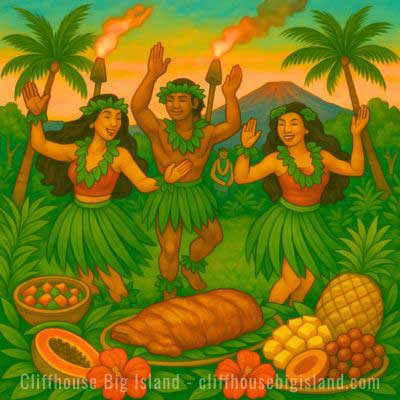
Hawaiian culture and island life on Big Island reflect a rich and diverse heritage. The culture blends Native Hawaiian, Asian, and American influences in unique ways. This cultural mix provides experiences you won’t find anywhere else.
You can experience the island’s culture by attending a traditional luau. Coffee farm tours offer another way to connect with local traditions. Many museums and historical sites tell the story of how different cultures merged here.
The island’s cuisine reflects this amazing cultural diversity perfectly. Popular dishes include poke, laulau, and shave ice. Each dish tells a story about the people who brought these recipes to Hawaii.
Traditional Hawaiian restaurants serve authentic local favorites alongside modern fusion cuisine. Big Island has dining options to suit every taste and budget. From upscale establishments to casual local spots, you’ll find incredible food everywhere.
Farmers’ markets and food trucks offer the best way to sample local specialties. Fresh produce grown on the island tastes amazing compared to mainland options. These venues let you eat like a local while supporting island businesses.
Whether you’re interested in traditional luau experiences or modern island cuisine, the cultural diversity here creates unforgettable memories.
Best Big Island Hiking: East Side vs West Side Trail Options
Best Big Island trail options differ dramatically between east side and west side locations. The island offers many trails ranging from easy strolls to challenging climbs. Each side of the island provides completely different experiences and landscapes. Once you explore one area, you’ll want to see what the other side has to offer.
East side trails take you through dense tropical forests and volcanic areas. The landscape here stays green year-round thanks to regular rainfall. The eastern areas receive the most rainfall, providing ideal conditions for waterfall hikes. You’ll find trails that lead through rainforests and into active volcanic zones.
West side trails offer drier conditions and coastal views instead. These paths often feature ocean overlooks and desert-like volcanic terrain. The contrast between east and west makes Big Island unique among all the Hawaiian islands.
Popular trail destinations include mountain peaks and volcanic calderas. Some trails offer breathtaking views of the island and surrounding ocean. Others take you directly into volcanic craters and through ancient lava tubes.
You can explore the island’s most unique landscapes on foot. From tropical forests to barren volcanic rock, the variety is incredible. Coastal areas, mountain slopes, and volcanic zones each offer different trail experiences.
With diverse landscapes and trail options on both sides, Big Island attracts serious outdoor enthusiasts. Whether you prefer lush green forests or dramatic volcanic terrain, you’ll find perfect trails here.
Swimming with Manta Rays and Other Unique Big Island Experiences
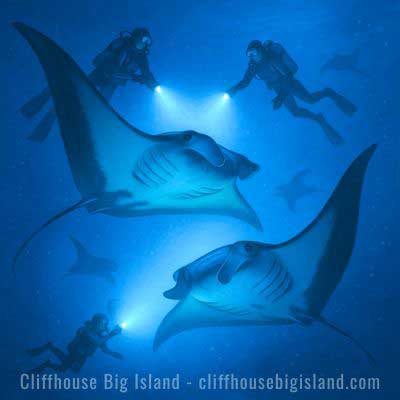
Swimming with manta rays tops the list of unique Big Island experiences you won’t find elsewhere. The island offers incredible adventures including stargazing and exploring caves. Underground lava tubes create natural tunnels perfect for adventure seekers.
You can take guided tours to discover the island’s hidden waterfalls and black sand beaches. These secret spots often require local knowledge to visit safely. Professional guides know exactly where to find the most spectacular and secluded locations.
The island’s festivals and events showcase local culture throughout the year. One of them is the Merrie Monarch Festival celebrates Hawaiian dance and traditions. The Kona Coffee Festival highlights the island’s world-famous coffee growing heritage.
Adventure options range from helicopter tours to horseback riding across volcanic terrain. Big Island has activities to suit all interests and ages. Families find plenty of options while thrill-seekers discover extreme adventures.
Boat tours let you explore marine life and dramatic coastal views from the water. These trips often include opportunities to spot dolphins, whales, and tropical fish. Many tours combine snorkeling stops with scenic cruising for the perfect day out. Some boat tours also depart from Hilo Bay, offering different marine life viewing opportunities.
Whether you’re seeking underwater adventures or cultural experiences, Big Island delivers memories that last a lifetime.
Where to Stay: Big Island Resorts vs. Vacation Rentals
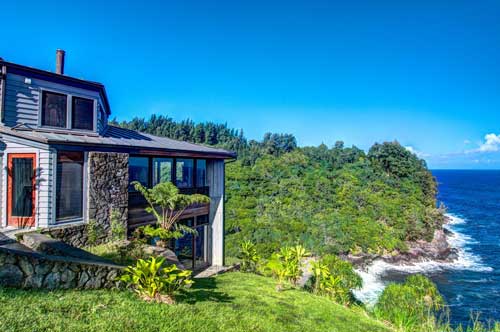
Choosing between Big Island resorts vs. vacation rentals depends on your travel style and budget. The island has accommodation options ranging from luxury properties to budget-friendly stays. This includes Cliffhouse that has a beautiful ocean view.
You can choose to stay in Hilo, Kailua Kona, or many other towns across the island. Each location provides different attractions and activities. Coastal areas have beaches while inland spots provide mountain and volcano views.
The island’s resorts and hotels offer comprehensive amenities for guests. These include on-site dining, pools, and spa services. Many properties provide concierge services to help plan activities and tours.
Vacation rentals give you more space and kitchen facilities for longer stays. Properties like Cliffhouse in Ookala offer ocean views and home-like amenities. These work well for families or groups wanting more space and the ability to prepare meals.
With diverse accommodation options and planning resources available, Big Island makes trip planning straightforward. Whether you prefer resort amenities or rental flexibility, you’ll find perfect options here.
Big Island’s Conservation Efforts: Protecting Lush Rainforests
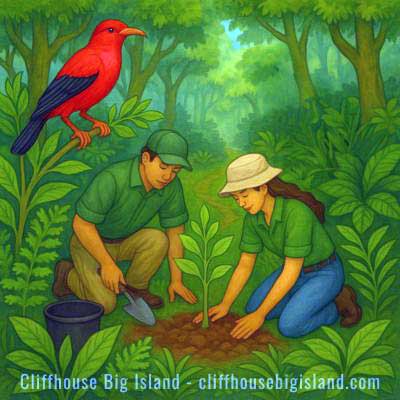
Big Island’s conservation efforts focus on protecting the island’s incredible natural environment. The island is committed to sustainability through many different initiatives. These programs work to preserve what makes this place special for future generations.
You can support local conservation efforts by choosing eco-friendly accommodations and tour operators. Many businesses here prioritize environmental responsibility in their daily operations. This creates a positive impact while you enjoy your island experience.
The island’s protected areas offer ways to experience natural beauty while supporting conservation. These spaces demonstrate how tourism and environmental protection can work together successfully. Every entrance fee and guided tour helps fund ongoing preservation work.
From reducing waste to protecting native wildlife, Big Island leads sustainability efforts throughout Hawaii. Local organizations work tirelessly to preserve unique ecosystems and endangered species. The community takes pride in being environmental stewards.
You can also participate in volunteer programs and conservation activities during your stay. These opportunities let you give back to the island community that welcomes you. Many programs need help with beach cleanups, native plant restoration, and wildlife monitoring.
Whether you’re exploring protected natural areas or volunteering with local groups, you become part of the solution. Supporting these conservation efforts ensures Big Island remains pristine for generations to come.
Local Community Events and Festivals Across Big Island Towns
Big Island towns host festivals and events throughout the year that bring people together. The island has a strong sense of local pride and celebration. Each event showcases different aspects of Hawaiian culture and island life.
You can experience the island’s culture by attending traditional celebrations and local markets. Participating in town events gives you authentic connections with residents. These experiences offer genuine insights into how locals live and celebrate.
The island’s many towns and villages each have unique character and charm. Each location offers different shops and activities to explore. From coastal fishing villages to mountain farming areas, diversity defines these local areas.
The Kona Coffee Festival celebrates the island’s world-famous coffee growing heritage each year. Hilo Farmers Market happens multiple times per week and features fresh local produce. Big Island has events and activities to suit every interest and schedule.
You can also take guided tours to explore hidden areas and secret spots. Local guides know exactly where to find the most authentic experiences. These tours often include stops at family-owned businesses and traditional gathering places.
Whether you’re interested in food festivals, cultural celebrations, or local markets, Big Island delivers year-round entertainment that connects you with the real Hawaii.
Big Island Transportation
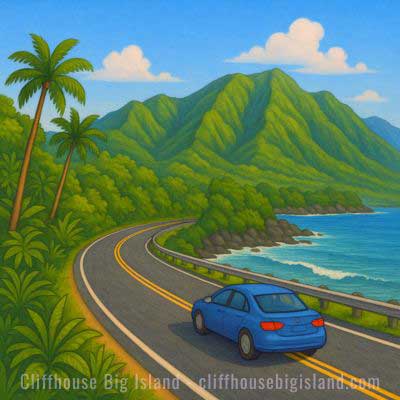
Big Island transportation makes getting between places straightforward with highway accessibility throughout. The island has a well-developed system with many options for getting around. Major highways connect all the different areas you’ll want to visit. The northeast section requires more planning since fewer roads serve this remote area.
You can rent a car, take a taxi, or use public transportation to explore different regions. Car rentals provide the most flexibility for visiting remote areas. Public buses run between major towns but don’t reach every destination.
The island’s resorts and hotels offer shuttle services to and from the airport. Many properties also provide transportation around their immediate areas. This helps when you want to explore nearby attractions without driving.
Highways connect coastal areas to mountain regions throughout the island. The main belt road circles the entire island and takes about six hours to drive completely. Shorter cross-island routes let you reach different climate zones quickly.
Each transportation method reveals different aspects of the island’s beauty. Some areas are only accessible on foot or by specialized tour vehicles.
Guided tours know areas and remote locations that individual travelers might miss. Professional drivers know the best routes and can navigate challenging terrain safely.
Planning Your Big Island Trip: What Most Visitors Need to Know
Planning your Big Island trip requires some preparation, but the right resources make it straightforward. Most visitors find that advance planning leads to more memorable and enjoyable experiences. The key is knowing what to expect and booking ahead. You can research the island’s many attractions and experiences before you arrive. Booking activities and tours in advance ensures you don’t miss must-see destinations. Popular experiences often fill up, especially during peak travel seasons.
The island’s resorts and hotels offer helpful amenities and services to make planning easier. Many properties provide concierge services and activity booking assistance. Staff members know the local area and can suggest the best experiences for your interests. From packing the right gear to booking appropriate accommodations, Big Island has resources to help. Consider factors like location, ocean views, and amenities when choosing where to stay. Properties like Cliffhouse in Ookala offer scenic cliff-side locations that showcase the island’s natural beauty.
Guided tours provide excellent ways to explore the island while learning about its history and culture. Professional guides teach you about volcanoes, Hawaiian culture, and local wildlife. These tours often include transportation and equipment for specific activities. Whether you prefer independent exploration or guided experiences, advance planning helps you make the most of your time on this incredible island.
Why Big Island Hawaii Should Be Your Next Hawaiian Islands Vacation
Why should Big Island Hawaii be your next Hawaiian Islands vacation destination? This island is unique and fascinating with experiences for all interests and ages. No other destination combines active volcanoes, tropical beaches, and snow-capped peaks in one place. From swimming with rays to stargazing, Big Island has something special for everyone. The diversity here exceeds what you’ll find on other Hawaiian islands. You can experience multiple climate zones and ecosystems in a single day.
The island’s rich history and culture create authentic Hawaiian experiences throughout your stay. Diverse landscapes range from black sand beaches to lush tropical forests. The vibrant local scene welcomes travelers who want to connect with real Hawaii. With accommodation options from luxury resorts to cozy vacation rentals, planning becomes simple. Abundant planning resources and activity options make it easy to visit and explore. Tour operators help you access the most spectacular locations safely.
Whether you’re seeking adventure, relaxation, or cultural experiences, Big Island delivers perfectly. Adventure seekers find world-class hiking, diving, and volcano exploration. Those wanting relaxation discover pristine beaches and peaceful mountain retreats. Cultural enthusiasts connect with authentic Hawaiian traditions through local festivals, historical sites, and community events. Big Island Hawaii truly offers the complete Hawaiian Islands vacation experience in one incredible destination.
About This Guide: This travel guide is brought to you by Cliffhouse, a vacation rental property located in Ookala on Big Island’s scenic coastline.
FAQs
What Makes Big Island Hawaii Different from Oahu and Kauai?
Big Island Hawaii offers live volcanic landscapes and diverse climate zones that Oahu and Kauai simply can’t match. While other Hawaiian islands focus mainly on oceanfronts and resorts, Big Island features ongoing volcanic activity, snow-capped mountain peaks, and terrain that ranges from tropical to alpine. You can experience multiple ecosystems in a single day here.
How Many Days Should You Spend on Big Island Hawaii?
Most people spend 5-7 days on Big Island Hawaii to experience both the east and west sides properly. The majority of travelers find this gives enough time to see live volcano sites, explore different coast, and experience the island’s diverse climate zones. Longer stays allow you to imagine life as a local and discover hidden spots across different areas.
What is Big Island Hawaii’s Southernmost Point?
The southernmost point of Big Island Hawaii (and the entire United States) is Ka Lae, also called South Point. Located on the southern tip of the island, this dramatic oceanfront offers incredible ocean views and historical significance. Many use a map to locate this remote area, which requires driving on county roads to reach.
Is Hilo Side or Kona Side Better for First-Time Guest?
The Hilo side offers lush rainforests and live volcanic sites, while the western Kona side features sunny oceanfront and resort amenities. First-time guests often choose one side as their base, though exploring both regions gives the complete Big Island experience. The choice depends on whether you prioritize volcanic landscapes or beach activities.